
louisa30h56858
About louisa30h56858
Understanding Modafinil: A Comprehensive Case Examine
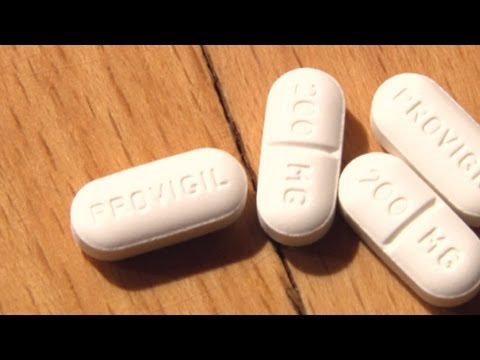
Modafinil is a wakefulness-promoting agent that has garnered important consideration since its approval by the U.S. Food and Drug Administration (FDA) in 1998 for the remedy of narcolepsy. Over time, its use has expanded past the confines of sleep disorders, resulting in its adoption in varied fields, together with military applications, cognitive enhancement, and therapy for attention deficit hyperactivity disorder (ADHD). This case study aims to discover the pharmacological properties, mechanisms of action, clinical applications, and ethical concerns surrounding modafinil.

Pharmacological Properties
Modafinil, chemically generally known as 2-[(diphenylmethyl)sulfinyl]acetamide, is a white to off-white crystalline powder that is soluble in water and natural solvents. It is labeled as a eugeroic, a category of drugs that promote wakefulness without the stimulating results commonly associated with traditional stimulants like amphetamines. The standard dosage for adults ranges from one hundred mg to 200 mg per day, taken orally.
The drug is primarily metabolized in the liver, with a half-life of approximately 12 to 15 hours, allowing for as soon as-day by day dosing. Its pharmacokinetics can be influenced by factors reminiscent of age, liver function, and concurrent medications, making individualized remedy plans essential.
Mechanism of Motion
The exact mechanism of action of modafinil shouldn’t be absolutely understood, but it is believed to involve several neurotransmitter programs. Modafinil is thought to reinforce the release of dopamine, norepinephrine, and histamine within the brain. This motion leads to elevated alertness and wakefulness. Unlike conventional stimulants, modafinil has a lower propensity for abuse and addiction, making it a favorable option for long-term use.
Research signifies that modafinil can also influence the hypothalamus and the orexin system, which play a important position in regulating sleep-wake cycles. This multifaceted approach to promoting wakefulness is considered one of the explanations modafinil is taken into account a safer alternative to conventional stimulants.
Clinical Applications
Narcolepsy and Sleep Disorders
Modafinil’s primary accepted indication is for the remedy of narcolepsy, a chronic sleep disorder characterized by extreme daytime sleepiness. In clinical trials, modafinil has demonstrated important efficacy in reducing daytime sleepiness and bettering overall quality of life for patients with narcolepsy.
Additionally, modafinil is prescribed off-label for different sleep disorders, corresponding to obstructive sleep apnea and shift work sleep disorder. In patients with obstructive sleep apnea, modafinil has been proven to enhance vigilance and cognitive perform, even when used alongside steady optimistic airway pressure (CPAP) therapy.
Cognitive Enhancement
The off-label use of modafinil as a cognitive enhancer has gained popularity, particularly among college students and professionals in search of to enhance focus, reminiscence, and general cognitive performance. Studies have shown that modafinil can enhance govt capabilities, reminiscent of planning and resolution-making, in addition to enhance working reminiscence and a spotlight in healthy people.
Nonetheless, the moral implications of using modafinil for cognitive enhancement are vital. Critics argue that it could create an uneven taking part in subject, notably in competitive environments like academia and the office. The long-term results of modafinil on cognitive performance in healthy individuals stay unclear, and additional analysis is needed to grasp the potential dangers and benefits.
Army Purposes
Modafinil has also been investigated for its potential use in army settings, the place sleep deprivation is common. The U.S. army has carried out studies to evaluate the efficacy of modafinil in sustaining alertness and efficiency throughout extended operations without sleep. Results have proven that modafinil can assist sustain cognitive function and cut back fatigue in troopers, resulting in its consideration as a tool for enhancing operational readiness.
Unwanted side effects and Security
While modafinil is mostly nicely-tolerated, it’s not with out side effects. Widespread uncomfortable side effects include headache, nausea, dizziness, and insomnia. Severe hostile effects, though uncommon, can include severe skin reactions, psychiatric symptoms, and cardiovascular points.
Patients with a history of cardiovascular illness, liver dysfunction, or psychiatric disorders ought to use modafinil with caution. Regular monitoring and consultations with healthcare providers are essential for anyone considering modafinil, particularly for off-label makes use of.
Ethical Concerns
The rising use of modafinil for cognitive enhancement raises a number of ethical questions. On one hand, proponents argue that it might enhance productivity and high quality of life for individuals who’re sleep-deprived or in search of to boost their cognitive talents. If you want to read more regarding buymodaonline take a look at our website. However, issues about fairness, coercion, and the potential for dependency have to be addressed.
Using modafinil in competitive environments could lead to stress to make use of the drug, creating an atmosphere where individuals feel compelled to boost their cognitive efficiency artificially. Moreover, the lengthy-term effects of modafinil on wholesome individuals are nonetheless not effectively understood, necessitating a cautious strategy to its widespread use.
Conclusion
Modafinil represents a major development within the treatment of sleep disorders and has opened the door for discussions about cognitive enhancement in wholesome individuals. Its distinctive pharmacological properties and comparatively low risk of addiction make it an appealing choice for numerous applications. Nevertheless, the ethical implications of its use, particularly in competitive settings, can’t be overlooked. As research continues to evolve, it’s crucial for healthcare providers, policymakers, and people to have interaction in thoughtful discussions about the advantages and risks related to modafinil, ensuring that its use is guided by proof-based practices and moral concerns.
No listing found.